Understanding Medical Cannabis Oil: Uses, Extraction, and What to Look For
When people first hear the term "medical cannabis oil," they often picture something thick, dark, and a little intimidating. I remember the first time I saw a bottle of it on a friend's shelf. It had a handwritten label, a tiny dropper, and an earthy smell that filled the room. I didn't know much about it then, but over the years I have learned that this kind of oil is one of the most versatile and effective ways to consume cannabis for therapeutic purposes. It is not just about getting high. It is about precision, control, and understanding what you are putting into your body.
The world of cannabis concentrates has grown fast. What used to be limited to simple hash or crude extracts has turned into a field full of options like Delta 8 and Delta 9 distillates, full-spectrum extracts, and solventless concentrates. For someone looking at medical cannabis oil for the first time, the choices can feel overwhelming. But once you understand a few core concepts, it gets much easier to find something that fits your needs. Let me walk you through what matters.
What Makes Medical Cannabis Oil Different
Not all cannabis oils are created equal. The difference often comes down to how the oil is made and what it contains. A quality medical cannabis oil should have a clear cannabinoid profile, meaning you know exactly how much of each active compound is present. Delta 9 is the most famous cannabinoid for its psychoactive effects, but Delta 8 has gained attention for offering a smoother, less anxious experience. Many people find Delta 8 helpful when they want relief without the intensity that sometimes comes with high Delta 9 products.
Another key factor is the presence of terpenes. These aromatic compounds do more than create flavor and smell. They work alongside cannabinoids to produce what is known as the entourage effect, where the whole plant extract performs better than any single isolated compound. A full-spectrum extract tries to preserve that natural balance. When I talk to growers and extractors, they often emphasize that a rich terpene profile can make the difference between an oil that feels flat and one that feels alive.
Extraction Methods That Matter
How you get the oil out of the plant changes everything. CO2 extraction is a popular method because it uses pressurized carbon dioxide to pull cannabinoids and terpenes from the plant material without leaving behind harsh solvents. The result is a clean oil that many users prefer. On the other hand, solventless concentrates use only mechanical means like heat and pressure. These are sometimes called rosin or pressed extracts. They tend to have a very pure taste because nothing foreign touches the plant matter.
I remember a conversation with a small batch producer who switched from ethanol extraction to CO2. He said the difference was night and day. The CO2 oil had a more complete cannabinoid profile and smelled closer to the original flower. That kind of attention to detail matters when you are using oil for medical reasons. You want consistency. You want to know that each batch will work the same way.
The Role of Decarboxylation and Bioavailability
One thing that surprises many newcomers is that cannabis oil in its raw form is not fully active. The cannabinoids are present as acids, and they need to be heated to convert into their active forms. This process is called decarboxylation. If you take raw oil orally without decarboxylating it first, you might not feel much. But once you heat it gently, usually in a carrier oil, the compounds change and become available to the body.
Bioavailability is another piece of the puzzle. The endocannabinoid system in your body is designed to interact with cannabinoids, but not all consumption methods deliver them equally well. When you ingest oil, it passes through the liver first, which can break down some of the active ingredients. That is why many people prefer a dosage dropper under the tongue. Sublingual absorption lets the oil enter the bloodstream directly, giving faster and more predictable effects. I have used this method myself, and the difference in onset time is significant.
Rick Simpson Oil and the Legacy of Simplicity
One of the most famous examples of medical cannabis oil is Rick Simpson Oil, named after a patient who popularized a simple recipe using decarboxylated cannabis and a carrier oil. His approach was straightforward: heat the plant material in oil at a low temperature for a long time, then strain and use. That basic method has inspired many homemade versions. It also showed that you do not need a lab to make something effective. But for people who want consistent potency and purity, buying from a trusted source makes more sense.
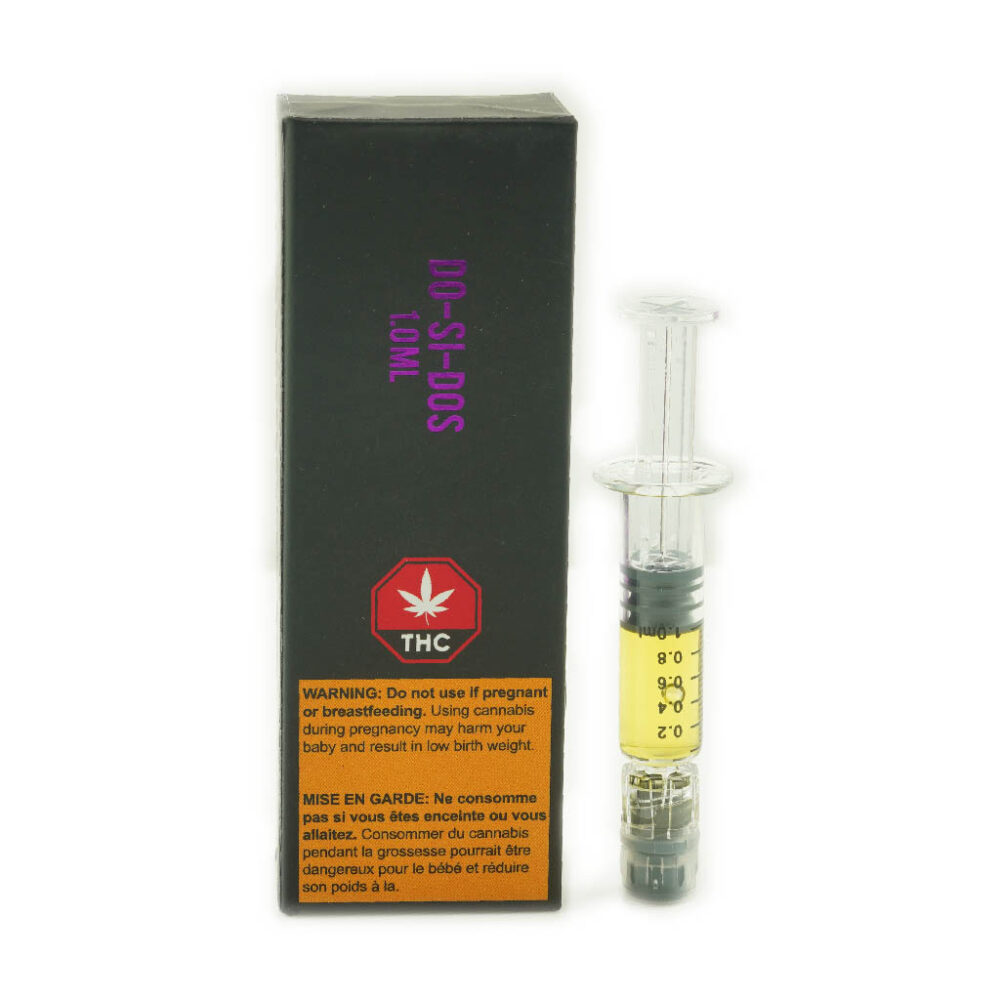
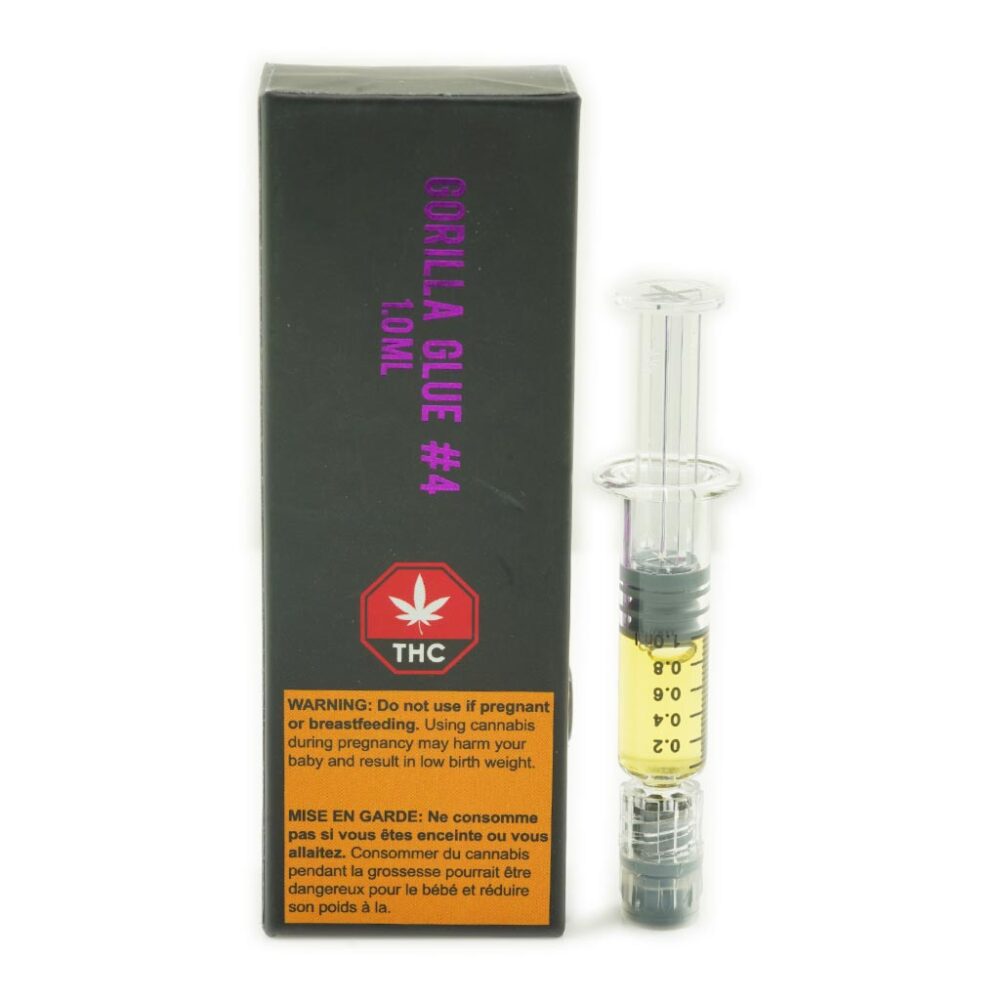
Kush Station, an online dispensary that carries cannabis concentrates, offers a range of options that include both Delta 8 and Delta 9 distillates. They also stock products that list their cannabinoid profile clearly. When you are buying something you plan to use regularly, clarity matters. You should be able to see exactly what is in the bottle. That is where third-party lab tests become invaluable. A reputable seller will provide lab results that confirm the potency and purity of their oil. If a product does not have that information, I would be cautious.
Hemp-Derived vs. Cannabis Sativa Sources
Another distinction worth understanding is whether the oil comes from hemp or from cannabis sativa. Hemp-derived products are legal in many places because they contain very low levels of Delta 9. They can still be effective, especially for people who want mild relief without any psychoactive effects. Cannabis sativa plants, on the other hand, can be bred to have high levels of Delta 9, Delta 8, or other cannabinoids. An indica strain, for example, might produce an oil that feels more relaxing and sedating, while a sativa oil could be more uplifting.
Choosing between them depends entirely on your goal. If you are using oil for sleep or chronic pain, an indica-heavy profile might suit you better. If you need focus and energy during the day, a sativa or balanced hybrid might be the way to go. I always recommend starting with a small amount and seeing how your body responds. The endocannabinoid system is personal. What works for a friend might not work the same way for you.
Practical Tips for Buying and Using Medical Cannabis Oil
When you shop for medical cannabis oil, here are a few things to keep in mind:
- Always check the third-party lab test results. They tell you the actual cannabinoid profile and confirm that the product is free from contaminants.
- Look for a clear dosage dropper or measuring guide. Consistency is more important than quantity. You want to be able to repeat the same dose every time.
- Consider the extraction method. CO2 extraction and solventless concentrates tend to be cleaner options. Avoid anything that uses harsh chemicals unless you know the residue has been completely removed.
Using the oil is simple, but it takes some trial and error. Start with a small drop under the tongue and wait at least an hour before taking more. The effects can take time to build, especially if you are new. Write down what you took and how you felt. Over time, you will learn your own sweet spot.
The phrase "medical cannabis oil" appears twice in this article so far, and I want to come back to it one more time because it deserves emphasis. A good medical cannabis oil should feel like a tool, not a mystery. It should give you control over your experience. Whether you are dealing with chronic pain, anxiety, or just want better sleep, the right oil can make a real difference. The trick is finding one that matches your body's chemistry and your lifestyle.
The market has grown a lot in recent years. You can now find oils that are tailored to specific cannabinoid ratios, terpene profiles, and even targeted effects. That level of choice is great, but it also means you have to do some homework. Do not rely on marketing alone. Read the lab reports. Ask questions. Talk to people at the online dispensary you trust. Kush Station, for example, provides detailed product descriptions and lab results for their THC distillate products. That kind of transparency helps you make an informed decision.

One last note: storage matters. Cannabis oil degrades with heat and light. Keep it in a cool, dark place. A dropper bottle with a tight seal is ideal. If the oil changes color or smell, it might be past its prime. Trust your senses. If something seems off, do not use it.
In the end, medical cannabis oil is about more than just chemistry. It is about finding a reliable way to feel better. With the right knowledge and a little patience, you can make it work for you.